Iran Denies Pakistan Talks While US Team Hadn’t Left America
- Iran publicly denied sending any delegation to Pakistan for planned US-Iran talks on April 20-21
- Reuters reported on April 20 that JD Vance and the US team had not yet departed Washington
- Pakistan was actively preparing for a second round of talks in Islamabad as the ceasefire neared expiry
Iran publicly denied sending a delegation to Pakistan for planned US-Iran talks while Reuters confirmed the US negotiating team had not yet left Washington, contradicting viral claims that Tehran refused talks while American representatives had already arrived.
The timing gap undermines a widely circulated framing of the diplomatic breakdown. Iran’s denial was narrow and specific. The US travel was planned but not completed at the moment of Tehran’s public refusal.
The Denial
Iranian Foreign Ministry spokesman Esmail Baghaei said Tehran had no plans to re-engage diplomatically with Washington “for now” and argued the US had violated the ceasefire from the start. Iran’s state broadcaster was more explicit, saying “no delegation from Iran has travelled to Islamabad, neither a primary nor a secondary, neither initial nor follow-up,” according to Guardian coverage.
Mohammad Bagher Ghalibaf, Iran’s parliament speaker and reported lead negotiator, wrote on X: “We do not accept negotiations under the shadow of threats” and said Iran had prepared “to reveal new cards on the battlefield.”
Pakistan’s information minister said a formal Iranian confirmation was still awaited, indicating the talks were being prepared but not finalized.
The Timeline Problem
Reuters reported on April 20 that JD Vance was still in the United States and had not yet departed for Pakistan. A second source told Reuters the US delegation also had not departed yet, though it planned to travel soon.
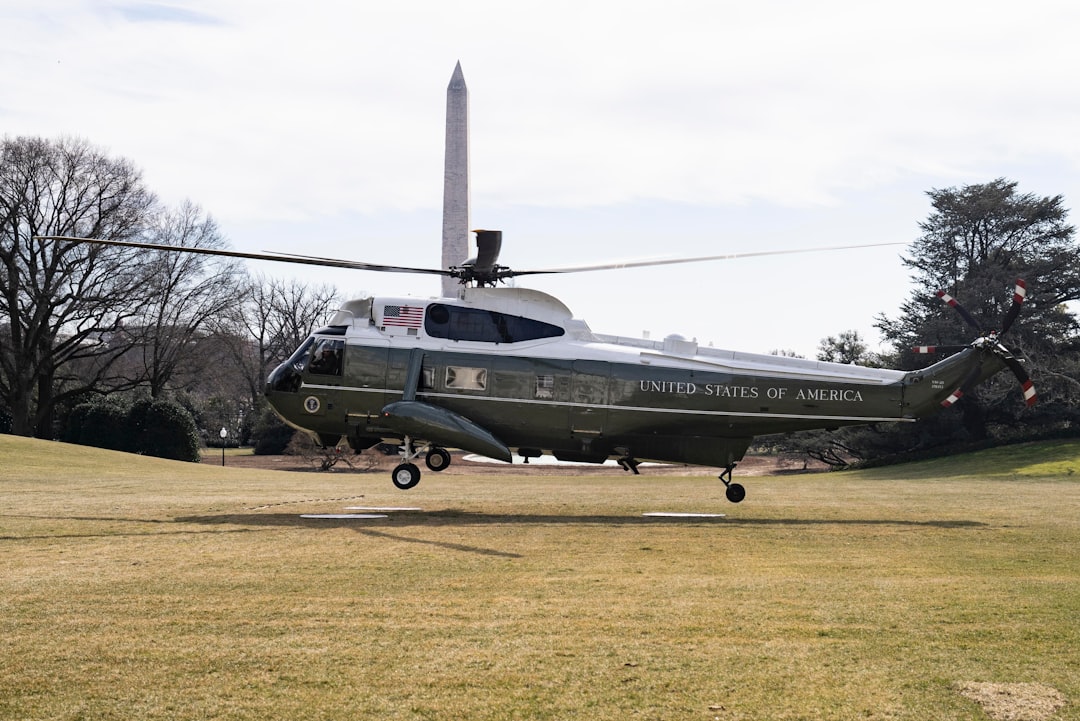
Pakistani officials told Reuters that if the delegations attended, they would not arrive until Wednesday. AP reported the same timeline, citing anonymous officials who said both sides were expected to arrive early Wednesday.
Al Jazeera had reported that at least nine US aircraft had landed in Pakistan over several days, bringing personnel and equipment for the negotiating team. But logistical preparation is not the same as delegation arrival.
The first round of talks had already taken place in Islamabad, with US and Iranian sides in separate hotel wings plus trilateral meetings involving Pakistani mediators. Reuters had reported on April 14 that US and Iranian teams could return to Islamabad that week.
The Mediation Race
Pakistan was racing against time to get Iran back to talks as the ceasefire neared expiry. Hotel and security preparations were visible in Islamabad. Pakistani officials were treating the event as active mediation, not rumor.
Iran’s denial was precise: no Iranian delegation had traveled to Pakistan and Tehran would not formally confirm participation. It did not rule out future talks or deny that Pakistan was mediating.
The US had planned to send Vance, Steve Witkoff, and Jared Kushner. Iran had witheld formal confirmation while maintaining private deliberation through Pakistani channels.
Neither side had completed arrival when Iran’s public denial landed. The talks were being prepared, not canceled.