Trump Extends Iran Ceasefire But Keeps Blockade in Place
- President Trump extended the U.S. ceasefire with Iran after requests from Pakistan’s military and civilian leadership
- The naval blockade of Iranian ports remains in place, which Tehran calls an act of war and a barrier to negotiations
- Commercial shipping companies still advise avoiding the Strait of Hormuz due to ongoing volatility
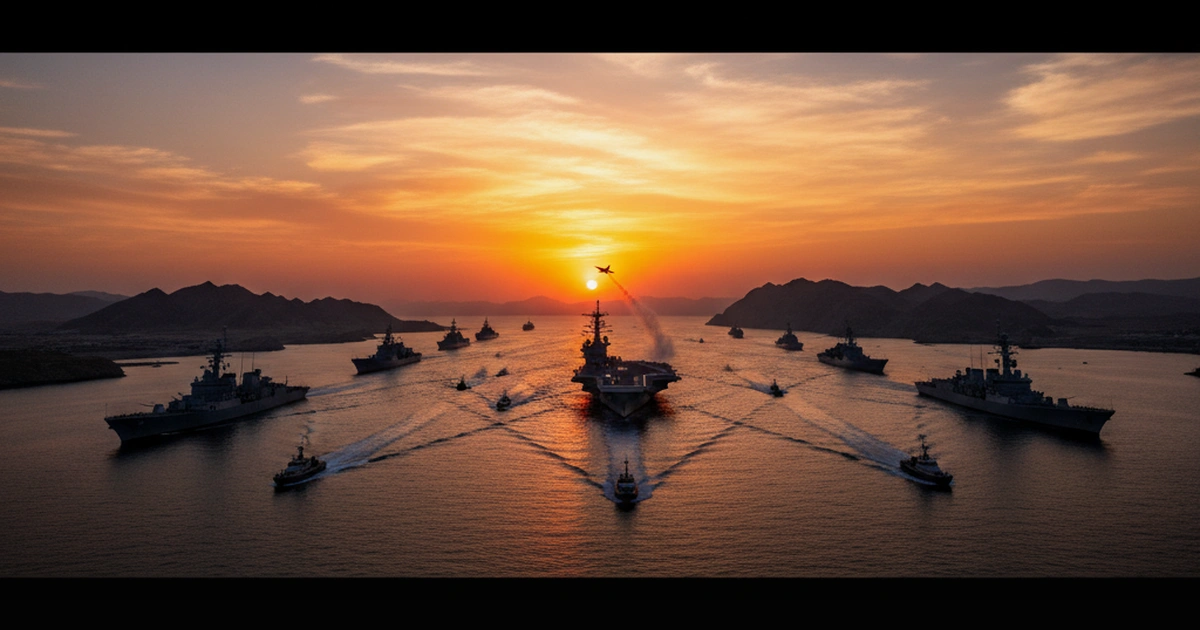
President Trump announced April 21 that the United States would extend its ceasefire with Iran beyond the previous deadline, but simultaneously maintained the naval blockade that Iranian officials say prevents meaningful peace talks.
Trump posted on Truth Social that the extension came after requests from Pakistan’s Field Marshal Asim Munir and Prime Minister Shehbaz Sharif. He said Iran’s government is “seriously fractured” and directed the military to “continue the blockade, remain ready” while extending the ceasefire until Iranian leaders produce a “unified proposal.”
The announcement couples tactical de-escalation with continued coercion. The ceasefire buys time, but the blockade that triggered Iranian resistance remains intact.
The Diplomatic Breakdown
The extension followed signs that planned negotiations had stalled, not advanced. CNBC reported that Trump’s announcement came after Iran indicated it would not appear for further talks, with Iranian state media calling attendance under current conditions “a waste of time because the US prevents reaching any suitable agreement.”
Politico reported that Iran was refusing to send negotiators to Islamabad until Trump lifted the U.S. blockade of the Strait of Hormuz. The New York Times noted that JD Vance’s expected trip to Pakistan was put on hold after Tehran failed to respond to American positions.
The core contradiction remains unresolved. Iranian Foreign Minister Abbas Araghchi described the blockade as an act of war and a ceasefire violation. Washington calls it leverage.
The Pakistan Factor
Trump framed the extension as responding to direct requests from Pakistan’s civilian and military leadership. This positioning serves two purposes: it presents Islamabad as an active intermediary and allows Trump to frame the extension as externally requested rather than a unilateral retreat from earlier bombing threats.
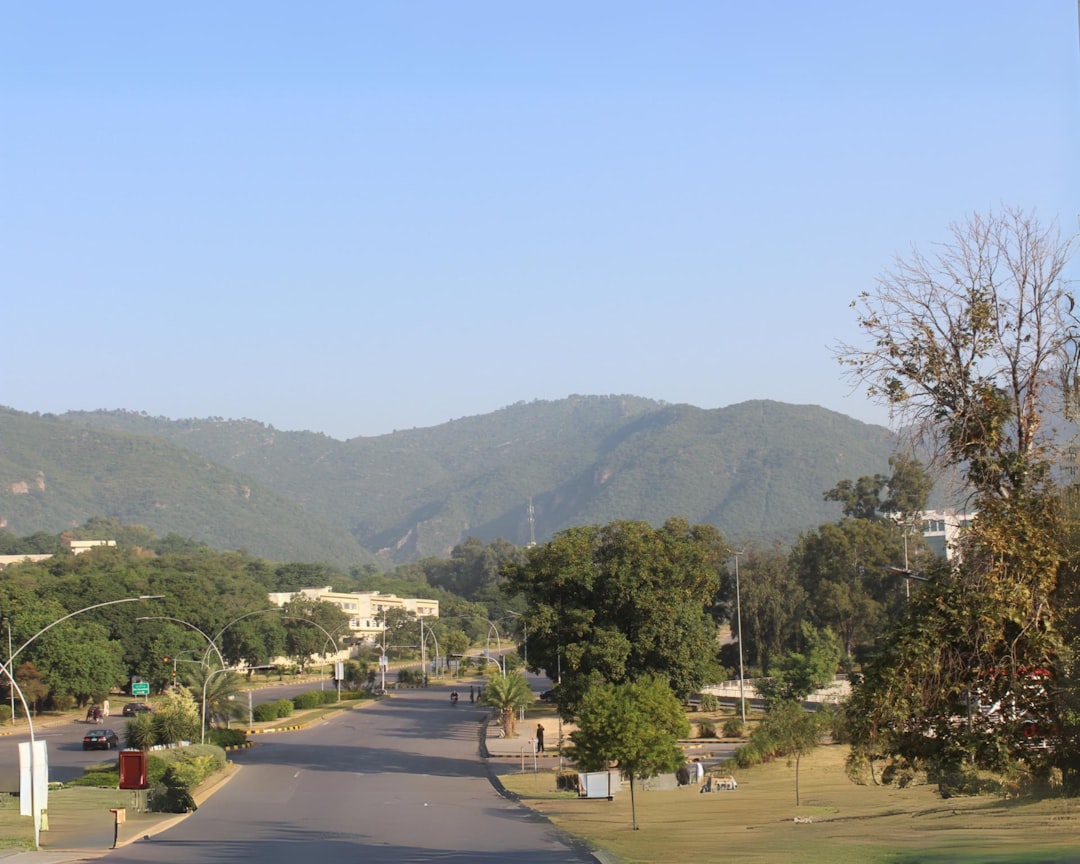
Pakistan appears to have bought time without securing a settlement. The operational evidence suggests Pakistan-mediated talks had not broken through the blockade impasse that froze negotiations.
Field Marshal Munir and Prime Minister Sharif’s intervention came as Trump was publicly threatening renewed bombing earlier Tuesday. The Truth Social post marked a visible shift within hours.
Blockade Stays, Risk Remains
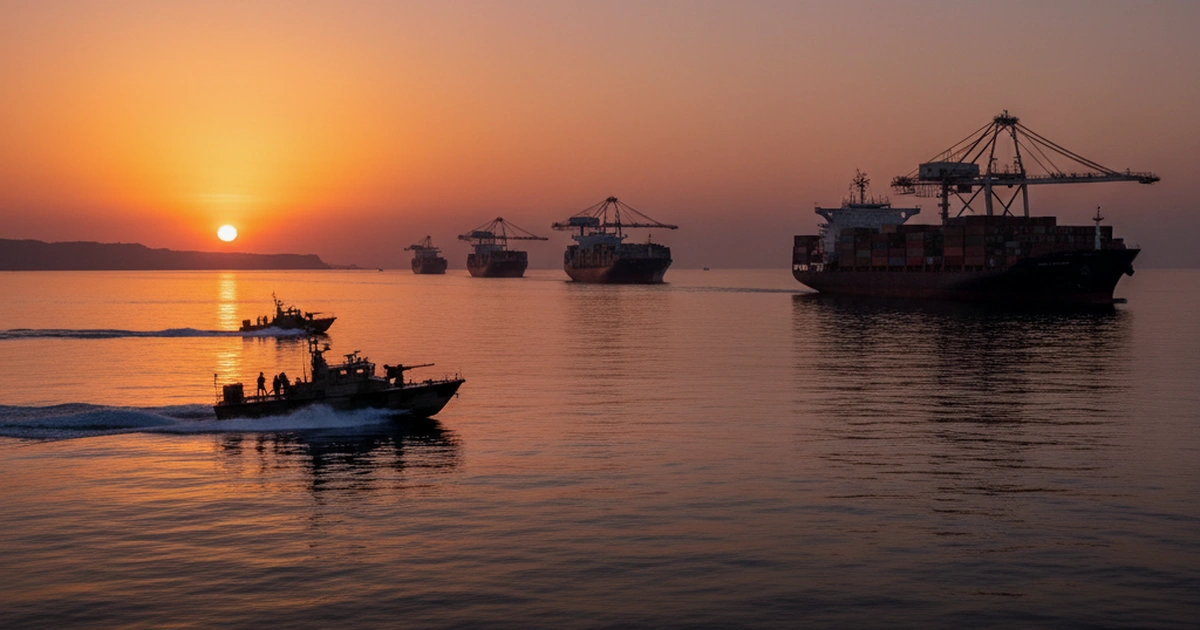
Commercial conditions do not reflect a normalized ceasefire environment. Maersk said April 21 that volatility persists and transit through the Strait of Hormuz “should be avoided.”
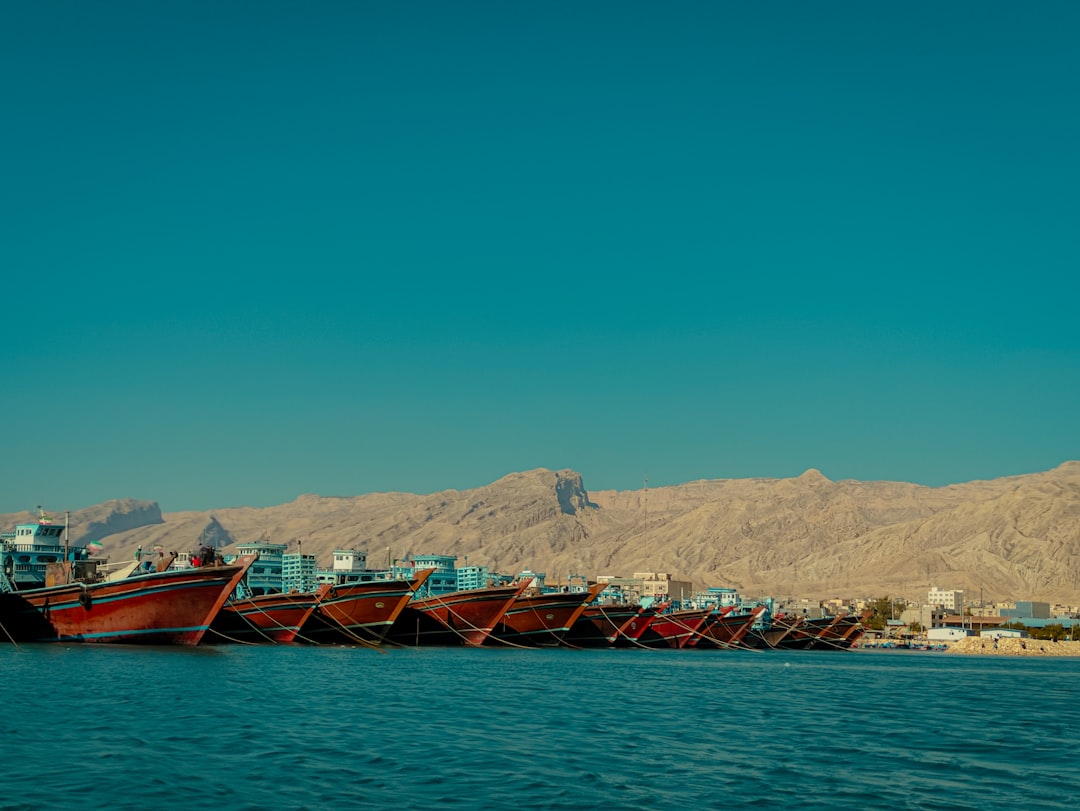
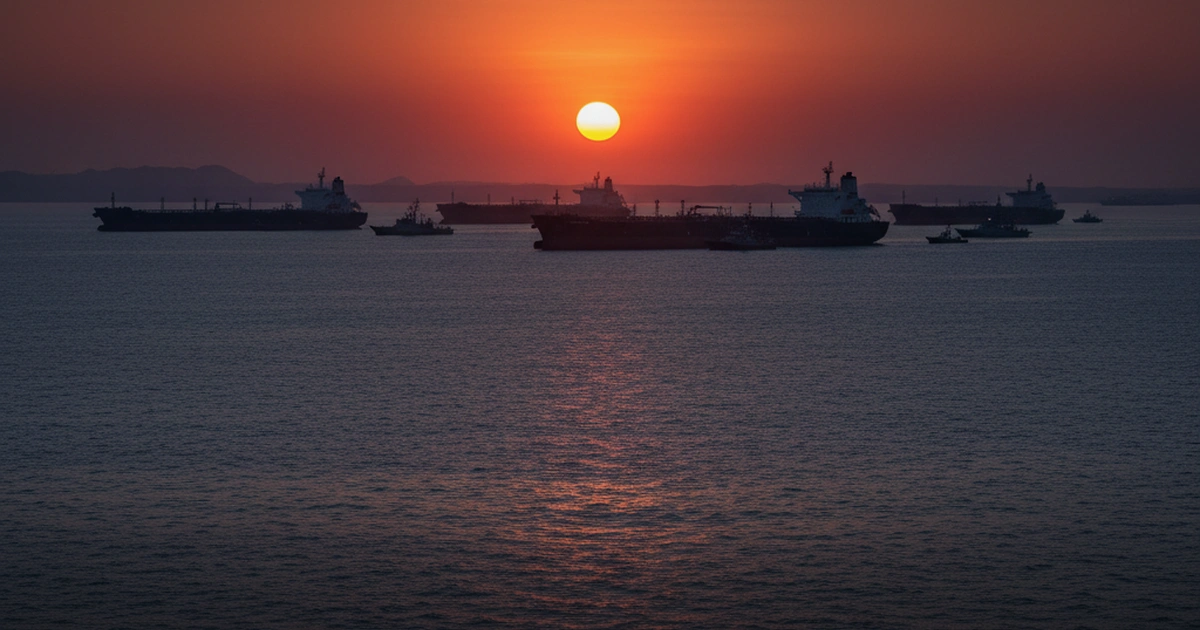
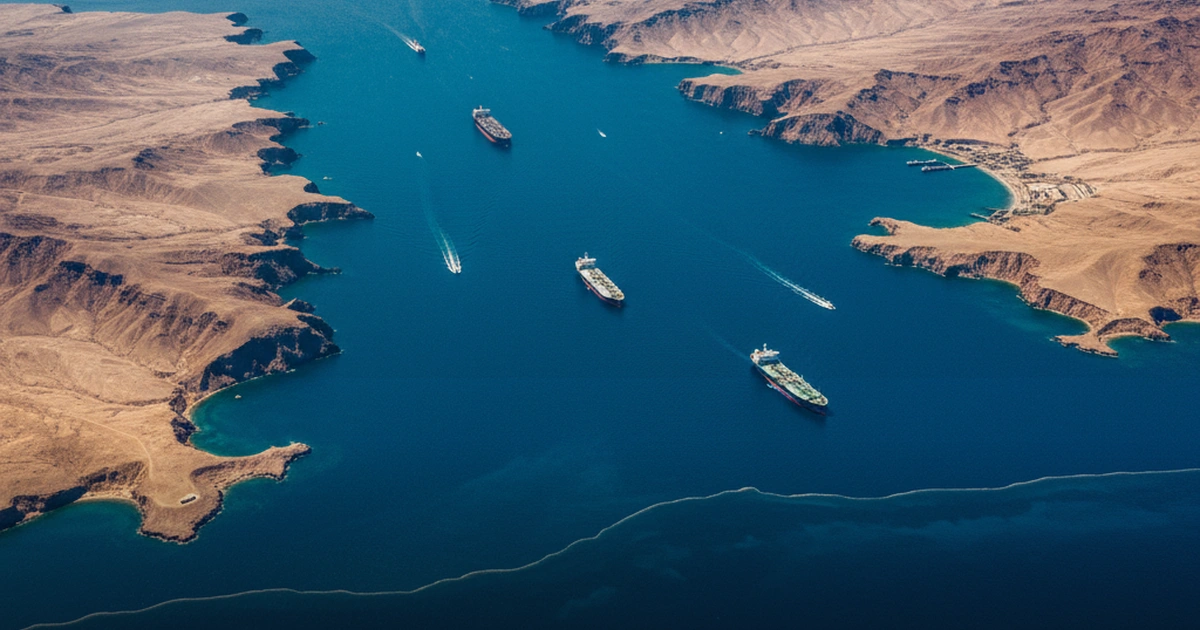
CBS News reported that vessel traffic had stalled in or around the Strait of Hormuz with ongoing disputes over whether the waterway was effectively reopened. Iranian officials threatened that a resumed war could endanger wider regional oil production.
The extension may reflect weakness in the diplomatic track, not strength. Because talks appear paused and the blockade remains, the announcement reads less like confidence in negotiations and more like a holding action to avoid immediate re-escalation.
This is not an indefinite peace. Trump tied the extension to Iran producing a unified proposal while keeping military pressure intact. The contradiction at the center of the truce is unchanged.