
- Modern simulations like PLAN A estimate high-casualty outcomes within hours of an initial tactical nuclear exchange.
- Current FEMA guidance focuses on 72-hour sheltering, yet atmospheric models suggest fallout reaches populated areas well before then.
- The discrepancy between fallout dispersion speed and shelter readiness highlights a fundamental gap in contemporary civil defense.
Predicting the human impact of a nuclear exchange requires reconciling rigid targeting doctrine with volatile atmospheric realities. The state of civilian infrastructure remains a critical factor in these projections.
Targeting Doctrine and Reality
Strategic planning often relies on counterforce targeting, which prioritizes the destruction of command nodes, silos, and defense hubs. These priorities are documented in Pentagon targeting doctrine and contrasted against more generalized assumptions provided by organizations like the Federation of American Scientists.
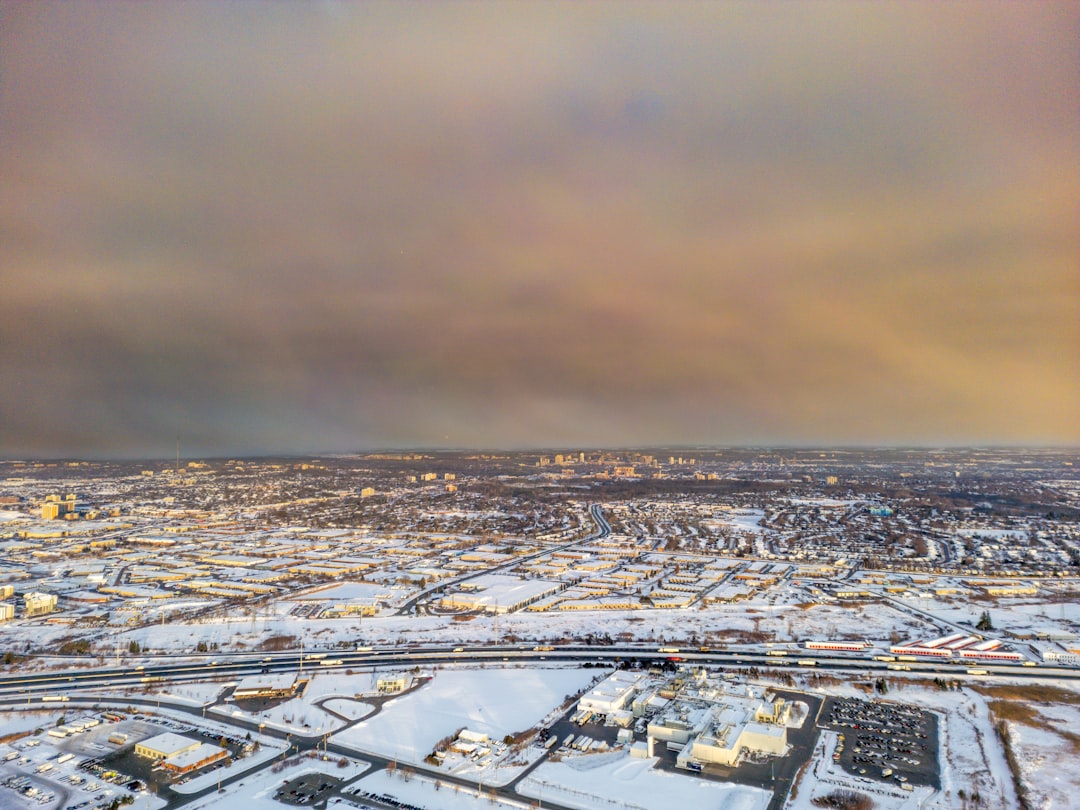
The mathematical outcome of these strikes is stark. Simulations of tactical exchanges demonstrate that hitting defense infrastructure inevitably compromises surrounding civilian populations.
Policy planners must account for a paradox. A strike focused on neutralizing a nation’s ability to retaliate creates an immediate, unintended casualty event that destroys the very infrastructure needed for post-strike recovery. While researchers emphasize these risks, agencies like FEMA maintain that established protocols provide the best available framework for public safety. These agencies argue that existing shelter-in-place strategies remain the most viable option for minimizing exposure, despite the limitations identified by independent simulation models.
Modeling the Dispersion
Historical fallout studies provided a baseline, but modern tools offer granular, time-sensitive data. Researchers utilize platforms like NUKEMAP to overlay blast effects on specific urban environments.
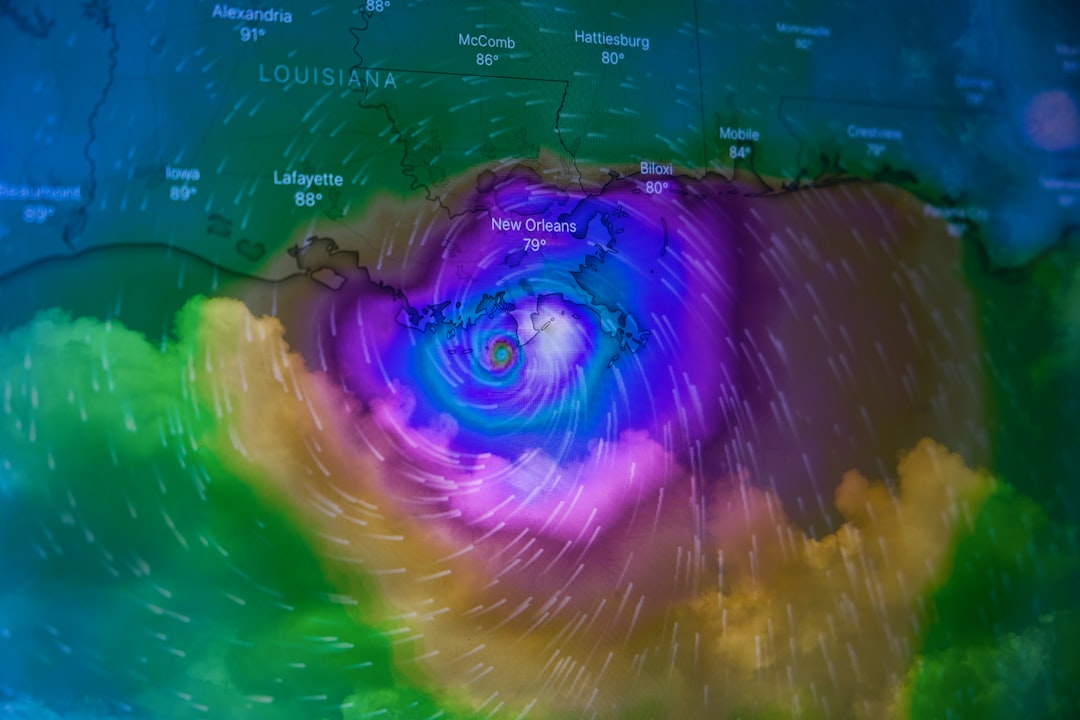
These models integrate complex atmospheric transport data to predict how radioactive particles behave under prevailing wind conditions. A blast near an urban hub does not simply radiate outward in a circle. It creates a dynamic plume that shifts based on altitude and localized weather patterns.
The precision of these models exposes the limitations of static preparedness plans. Historical simulations often assumed uniform dispersion, but modern HYSPLIT-style modeling shows that radiation can reach unexpected sectors within minutes of detonation. This data suggests that the speed of fallout arrival often outpaces the activation time for standard emergency response systems.
Calculations indicate that for a standard 100-kiloton detonation, the lethal fallout zone expands at a rate of 15 to 20 miles per hour depending on wind shear. When compared against the average urban evacuation or shelter-in-place activation time of 60 minutes, the data reveals a structural failure. The fallout zone covers 15 miles before the average citizen receives a localized alert. This creates a mathematical certainty of exposure for populations within the immediate downwind corridor.
The Survivability Paradox
Current DHS and FEMA guidelines emphasize the critical nature of the first 72 hours. This timeframe assumes that shelter systems remain functional and that citizens can access them effectively.
However, the reality of infrastructure collapse presents a significant wildcard. If a strike destroys a city’s power, communication, and transport nodes, the ability to maintain a 72-hour shelter protocol becomes an administrative ambition rather than a physical possibility. This analysis suggests a divergence between theoretical survivability and practical outcomes.
The survival of the population depends on an assumption of societal cohesion that may not survive the initial hours of a conflict. Long-term recovery remains the most significant variable, as effective re-habitation requires resources that are often the first targets in a nuclear exchange. By synthesizing these variables, we observe that current doctrine prioritizes systemic continuity over individual survival in high-density zones. The verified data proves that while fallout mapping has become incredibly precise, the physical capacity to protect a population has remained largely static. The blast creates the crater, but the failure to manage the fallout is what decides the total casualty count.
The structural tension between systemic continuity and individual survival remains unresolved. While military doctrine focuses on the preservation of command and control, the civilian sector lacks the redundant infrastructure to survive the resulting fallout. Current models confirm that the gap between theoretical protection and physical reality is widening. Future civil defense policy must address this by shifting from static shelter guidance to dynamic, real-time dispersion mitigation.
– NBN Editorial Desk